
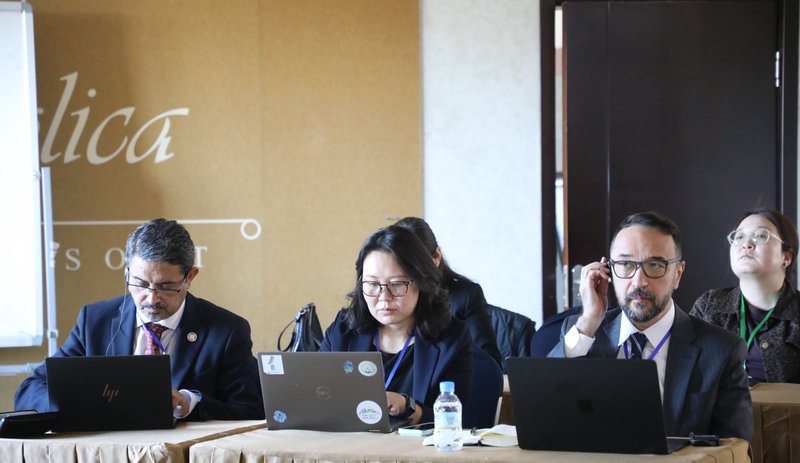
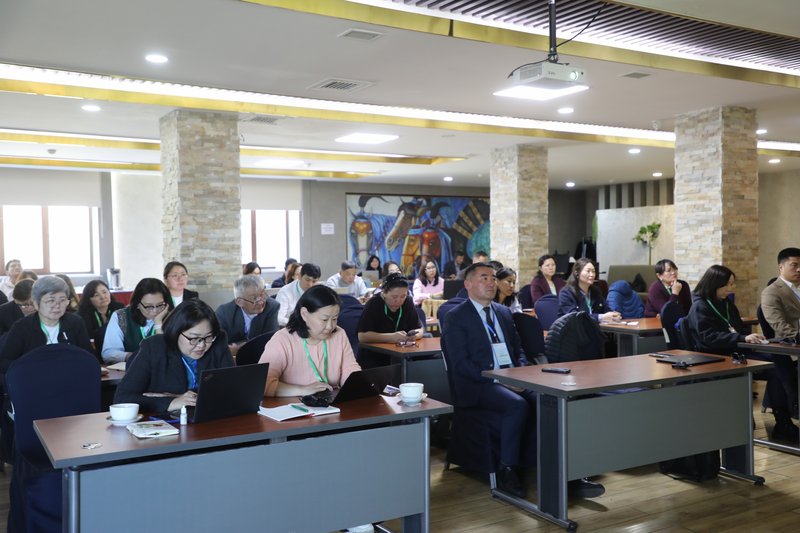
The Economics of Land Degradation (ELD) Initiative officially launched country-level activities under its Economics of Rio Synergies project with an inception workshop in Ulaanbaatar, Mongolia, on 21–22 April 2026.
The project aims to strengthen the integrated implementation of the three Rio Conventions — the United Nations Convention to Combat Desertification (UNCCD), the Convention on Biological Diversity (CBD), and the United Nations Framework Convention on Climate Change (UNFCCC) — by applying economic analysis to improve policy coherence, planning, and investment decisions.
Strengthening Economic Foundations for Policy Coherence
The Rio Conventions share interconnected objectives: combating land degradation, conserving biodiversity, and addressing climate change. However, implementation often occurs in parallel policy silos. The Economics of Rio Synergies project seeks to bridge these gaps by:
- Applying economic tools to identify synergies and trade-offs
- Supporting integrated land use planning frameworks
- Aligning national commitments such as NDCs, National Adaptation Plans (NAPs), Land Degradation Neutrality (LDN) targets, and biodiversity strategies
- Strengthening evidence-based decision-making through improved data systems
By focusing on the economic case for coordinated action, the project highlights how integrated approaches can generate multiple environmental and socio-economic benefits while increasing cost-effectiveness.
Mongolia as the Starting Point
The inception workshop in Mongolia marked the first national-level engagement under the project. The event brought together representatives from government ministries, research institutions, universities, civil society, and international partners to explore how economic analysis can support more coherent implementation of the Rio Conventions.
Discussions centered on:
- Advancing integrated land use planning as a unifying framework
- Harmonizing reporting and monitoring systems
- Identifying investment opportunities that generate climate, biodiversity, and land restoration co-benefits
- Strengthening cross-sector coordination ahead of major international processes
The workshop also contributes to Mongolia’s broader preparations for hosting UNCCD COP17, reinforcing the country’s commitment to sustainable land management and ecosystem restoration.
From Dialogue to Implementation
The inception workshop represents the beginning of a longer-term process. Building on the discussions in Ulaanbaatar, the project will further develop analytical work, policy recommendations, and capacity-building activities tailored to Mongolia’s national priorities.
By placing economics at the center of Rio Convention implementation, the Economics of Rio Synergies project supports governments in translating international commitments into integrated, actionable, and financially viable strategies.
Further country engagements and technical outputs will follow as the project advances.
Project leadership was provided by International Rice Research Institute, with participation from the secretariats and representatives of the Rio Conventions, the Food and Agriculture Organization, Deutsche Gesellschaft für Internationale Zusammenarbeit and Green Gold - Mongolian Rangeland Research Center.
Further information on the ELD Initiative’s work on Rio Synergies is available on our website.